NASA UAP Report 2023: No ET Evidence, Spergel Panel Urges AI Tools
NASA UAP report 2023: Learn why NASA found no ET evidence and how better data, transparency and AI can strengthen UAP analysis.
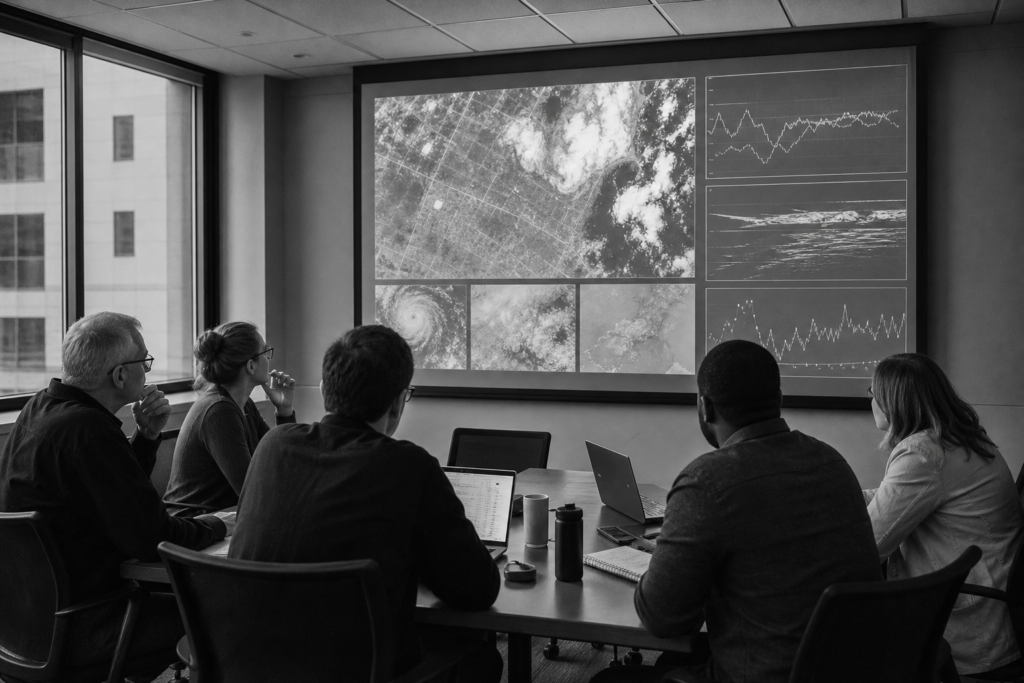
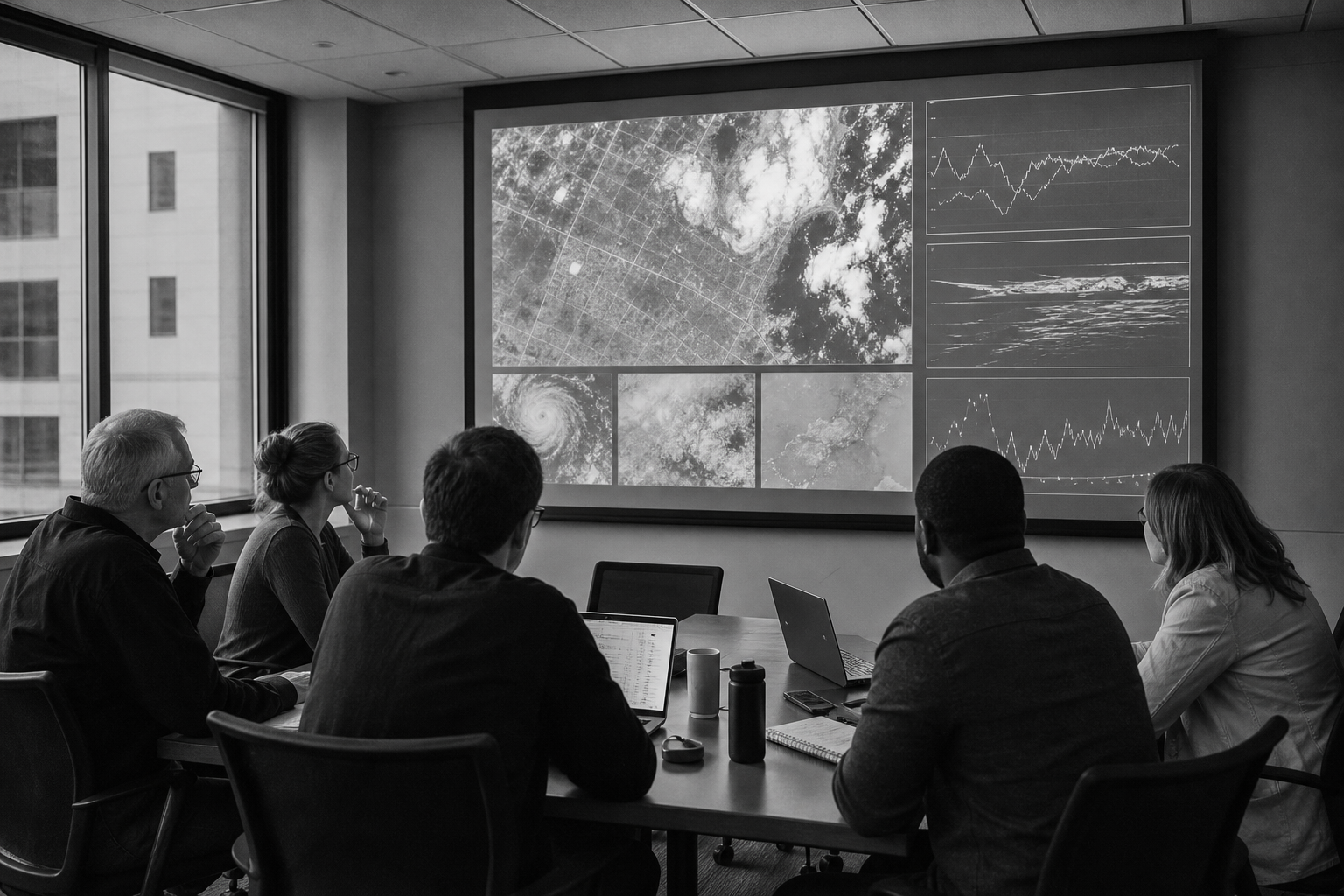
The extraterrestrial question draws the headlines, but the NASA UAP report 2023 reached a more disciplined conclusion: the independent study found no evidence in the material it reviewed that unidentified anomalous phenomena were extraterrestrial. Chaired by astrophysicist David Spergel, the panel was asked to assess how NASA could apply scientific methods to a subject marked by uncertainty, not to validate dramatic claims or rule on every report ever made.
That boundary matters. “No evidence” describes the available, largely unclassified information and its limits; it is not a declaration that every unexplained observation has been solved. The panel’s central diagnosis was methodological: observations often lack consistent measurements, reliable metadata, calibrated instruments, and corroboration across sensors. A blurry single-source image is a weak signal; time-synchronized readings from several characterized instruments offer a far better basis for analysis.
The practical answer was a stronger evidence system: more coordinated collection, clearer sharing practices, and AI tools that can flag anomalies, combine sensor streams, identify calibration artifacts, organize metadata, and detect patterns too large for manual review. NASA’s scientific study was distinct from AARO, the Pentagon-led office that handles the government’s UAP mission. This article follows the panel’s central lesson: better data must come before bigger conclusions.
What NASA Released in September 2023, and What It Was Designed to Assess
The public release on September 14, 2023, set an important checkpoint: NASA presented a final report and briefing that readers could examine without access to classified material. The independent study team led by David Spergel produced the report, rather than a Pentagon office conducting operational investigations.
Its mandate was narrower, and more useful, than a case-by-case UFO inquiry: assess how NASA’s scientific expertise, data practices, instruments, and analytical methods could strengthen research on UAP. The panel worked from publicly available and unclassified material. That made its approach open to scrutiny and reproducible, but it also meant the study was not a review of classified holdings or an attempt to settle allegations about particular incidents, people, or historical programs.
In practical terms, the report asks what makes an observation scientifically usable. A report with a location, precise time, weather context, sensor settings, calibration history, and synchronized measurements from more than one instrument can be tested against ordinary explanations. An account without those details may remain unresolved, but it cannot support a comparably strong conclusion.
The study therefore functions chiefly as an assessment of methods and evidence quality. Its focus was building a framework that can collect, characterize, combine, and analyze observations consistently, not issuing a final verdict on every claim attached to unidentified anomalous phenomena.
The Core Finding: No Evidence in NASA’s Study That UAP Are Extraterrestrial
A case can remain unresolved when the available observations cannot discriminate reliably among plausible explanations. That status does not identify an object or event, and it does not turn uncertainty into an extraterrestrial conclusion. The independent panel drew that line clearly: it found no evidence that UAP have an extraterrestrial origin.
That conclusion is bounded by the study’s evidence base. It was not a claim that extraterrestrial life is impossible, a ruling on the existence of non-human intelligence, or a verdict on every individual report that remains unexplained. Nor did it constitute alien disclosure in reverse. A lack of affirmative evidence for a proposed origin differs from proof that the proposition can never be true.
The practical distinction is between uncertainty and positive identification. A blurry single-sensor observation with missing timing or calibration details can remain unresolved because several ordinary explanations cannot be separated reliably. Evidence for alien visitation would require the opposite: reliable, independently testable measurements that positively support that extraordinary interpretation while excluding more conventional alternatives.
Those NASA UAP study findings therefore point away from speculation and toward better evidence. The panel’s direction was to make future observations more capable of producing discriminating results through complete metadata, calibrated sensors, coordinated measurements, and analytical systems that can detect anomalies and distinguish a genuine signal from an artifact. Unidentified is a data status, not an origin claim.
Why So Many UAP Cases Remain Unresolved: Weak, Incomplete, and Inconsistent Data
A scientifically useful observation needs more than an image or a witness account. It needs enough surrounding information to determine what the instrument measured, where and when it measured it, and which ordinary influences may have shaped the result. Without that context, a case can be unresolved because the evidence cannot discriminate among competing explanations.
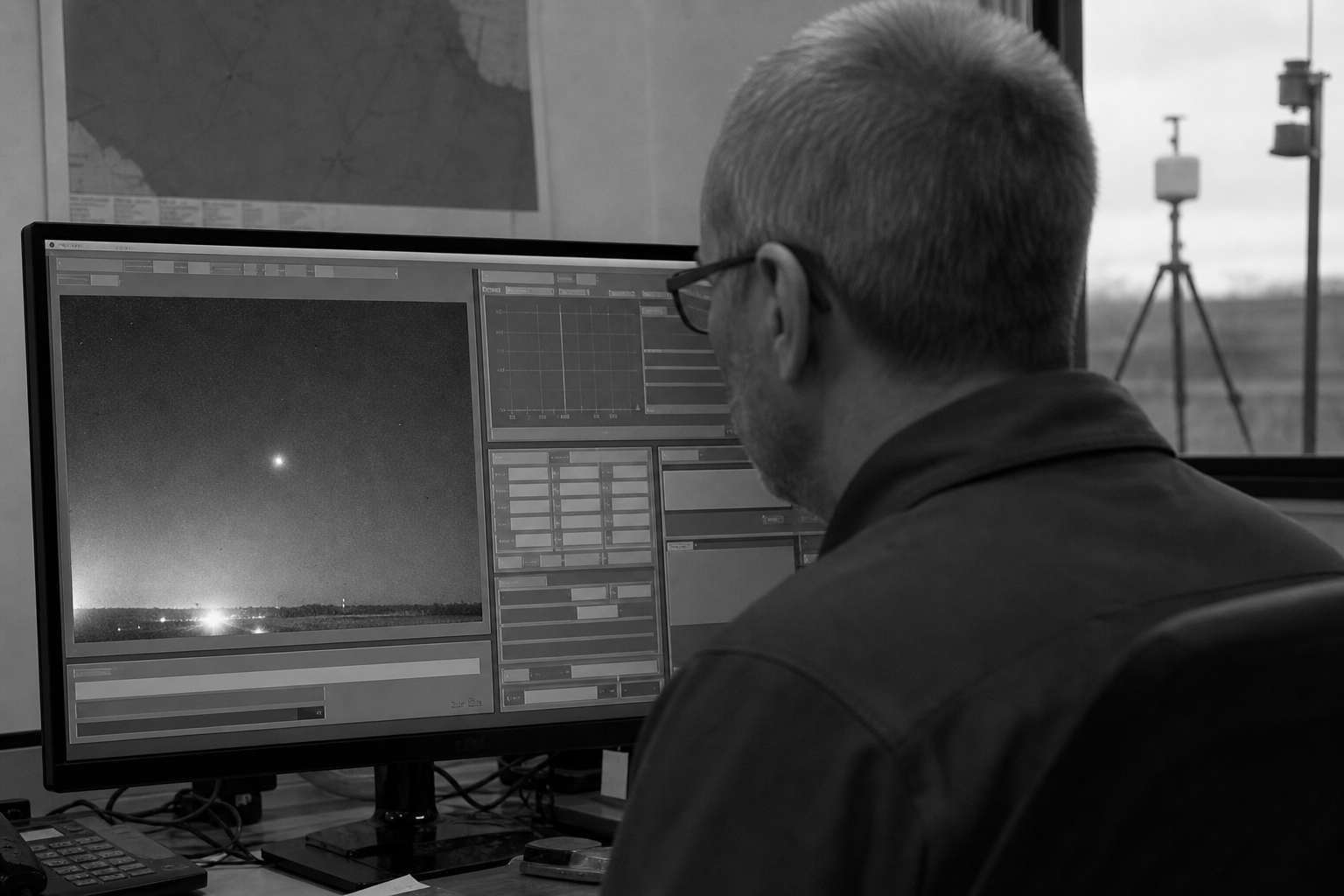
Calibration is central. A calibrated sensor has known performance characteristics: its field of view, timing accuracy, sensitivity, optical distortion, and likely sources of error. An uncalibrated camera may record a bright point, but analysts cannot reliably translate its pixels into an object’s distance, size, speed, or motion. A second independent sensor, such as radar, infrared, or another camera, can materially strengthen an observation only when its timing and position can be aligned with the first.
Metadata supplies that alignment. Useful fields include the precise time, observer location and direction, device model and settings, aircraft or platform motion, and the original uncompressed file. Environmental context matters as well: weather, clouds, wind, temperature gradients, astronomical objects, nearby aircraft, and local sources of light can each alter an apparent track or signature. Missing metadata does not make a report false; it leaves too many variables unconstrained.
Short recordings also create a limited baseline. A few seconds may capture an apparent acceleration or abrupt change in direction, while a longer sequence could reveal camera movement, focus changes, perspective effects, or a conventional object entering a different viewing geometry. The stronger signal is repeatable measurement across time and instruments; the weaker signal is an isolated clip whose conditions cannot be reconstructed.
Civilian UAP sightings add potentially valuable coverage but arrive in inconsistent formats, with different devices, observation skills, and levels of detail. Stigma can further discourage people from reporting promptly or fully, reducing the chance to preserve original files and corroborating observations. The practical lesson is not that every UFO sighting is unreliable. It is that “unresolved” often describes an underdetermined record, not a confirmed anomalous physical event.
What the Spergel Panel Recommended: Better Collection, Coordination, and Transparency
Rather than treating each report as a stand-alone mystery, the Spergel panel UAP report proposed an evidence system designed to make observations comparable. Its central recommendation was a systematic framework: common reporting fields, preserved original data, known sensor performance, and procedures for combining observations from different instruments. A report with a precise time, location, direction of travel, device settings, and environmental conditions can be tested against other records; one without those details is far harder to interpret.
The panel also saw a defined role for NASA’s scientific capabilities. Earth-observing expertise, atmospheric science, calibration methods, and large-scale data management can help distinguish a genuine anomaly from effects created by weather, viewing geometry, instrument limits, or incomplete records. This is not a proposal for NASA to become a routine field-investigation office. It is a proposal to apply methods built for reliable measurement to a category of observations that has often lacked it.
Standardized reporting would make civilian and institutional observations more useful over time. The practical aim is consistency: collect the same core information at the outset, retain it in usable form, and make it possible to compare one observation with another. That shifts attention from compelling but isolated accounts toward datasets in which recurring patterns, measurement errors, and ordinary explanations can be assessed on the same basis.
Public transparency was another scientific recommendation, not a suggestion that secrecy itself proves extraordinary claims. Clear public-facing communication can explain what was observed, what data are missing, what methods were used, and why an event remains unresolved. NASA paired that direction with the creation of a NASA director of UAP research role, intended to coordinate the agency’s work and communication on the subject. Together, these measures seek to reduce uncertainty incrementally: not by promising immediate answers, but by improving the quality, accessibility, and interpretability of future evidence.
Why NASA Urged AI Tools for UAP Analysis
Large, mixed streams of observations are where automated analysis can add the most value. The panel’s recommendation for artificial intelligence and machine learning was not a claim that software could solve a sighting from a single image. It was a proposal to help scientists handle more information than a person can reliably inspect case by case, while keeping the scientific judgment with human reviewers.
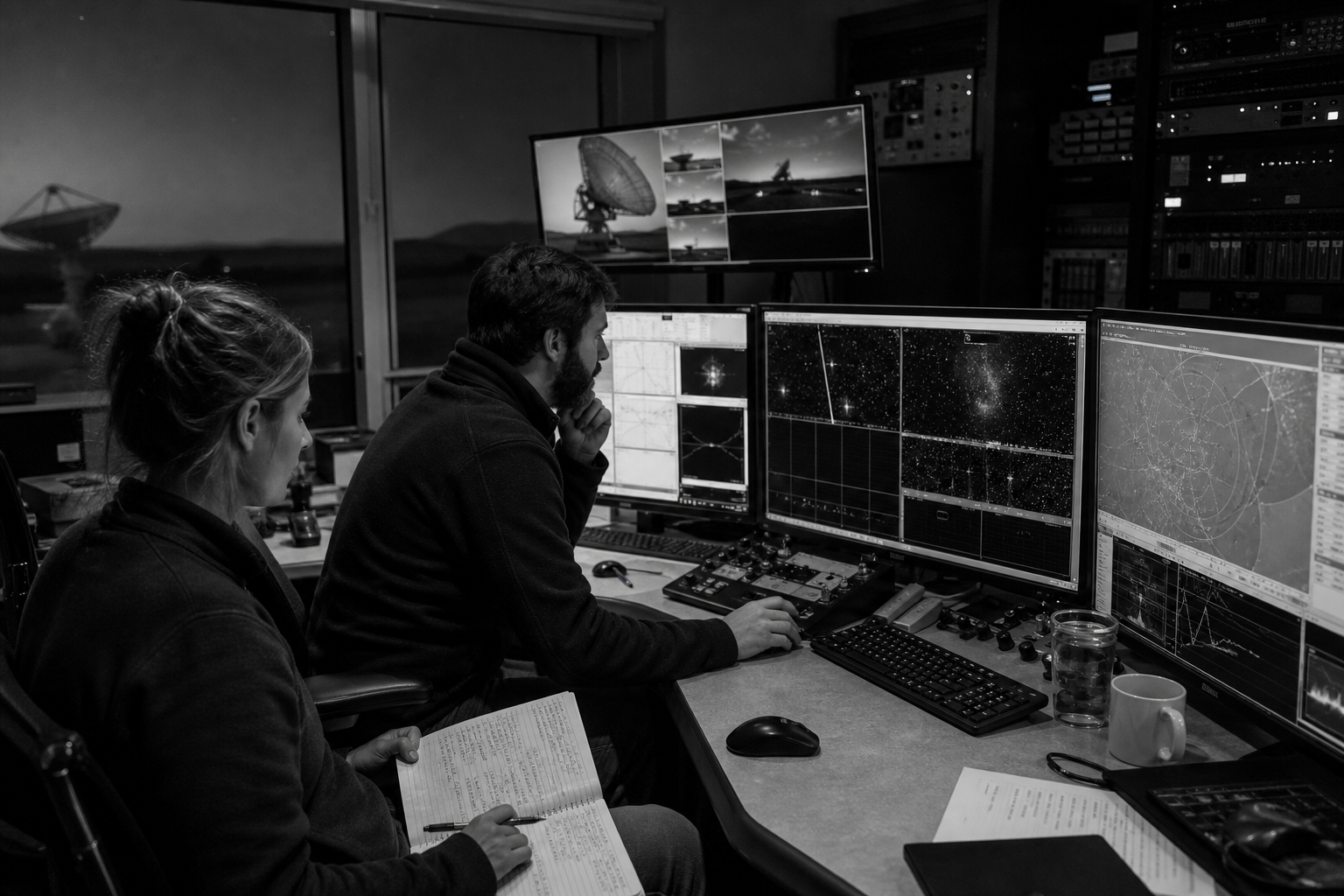
Anomaly detection is the first operational use. A system can scan incoming records for measurements that depart from expected ranges, then flag them for examination rather than declare them extraordinary. It can also identify likely data artifacts: a recurring sensor glitch, a timing mismatch, a compression effect, or a value that appears only when a device is operating in a particular mode. That distinction matters because an apparent anomaly in the observation may instead be an anomaly in the instrument or its processing.
Machine-learning tools can also correlate observations across sensors and datasets. A report becomes more analytically useful when its time, location, viewing direction, environmental conditions, and device information can be aligned with other measurements. Software can search those linked records for repeatable patterns, group similar events, and prioritize cases that contain enough context for a human team to test competing explanations. It can improve sorting, calibration checks, metadata handling, and pattern analysis; it cannot supply missing context, repair unreliable inputs, turn an ambiguous image into proof, or determine an extraterrestrial origin on its own.
NASA’s Study Is Not AARO, a Congressional Hearing, or a Classified Evidence Review
Institutional labels matter because they describe different kinds of evidence and different jobs. NASA’s September 2023 study was an independent scientific assessment chaired by David Spergel, using the unclassified material available to the panel to consider how observations could become more rigorous and informative. It was not a classified-evidence review, an intelligence investigation, or a final adjudication of every government-held record.
The Defense Department’s All-domain Anomaly Resolution Office is the Pentagon UFO office: it receives, analyzes, and coordinates reports within a national-security setting. That operational mission differs from NASA’s research-oriented one, as does its access environment. AARO UAP findings, reports from military sensors, and assessments derived from defense systems may be relevant to public debate, but they are not interchangeable with the conclusions of NASA’s independent panel. A claim about what one body reviewed should not be silently transferred to the other.
The same separation applies to congressional testimony and whistleblower allegations, discussion of the 2004 Nimitz footage, material associated with the former UAP Task Force, and assertions of a government UFO cover-up. A hearing can place testimony and allegations into the public record; it does not by itself establish their accuracy. Footage can document that an event was recorded; without the full sensor, metadata, and contextual record, it may not establish an origin or explanation. NASA’s report neither verified nor disproved those separate claims. Its conclusion concerned the evidence and scope before its own panel, not every allegation or classified record raised in wider UFO disclosure debates.
What Happened After the Report, and How to Read Later UAP Developments
Later UAP headlines should be treated as new claims, not retroactive revisions of the 2023 study. NASA’s follow-up research leadership and rigorous methods keep the practical focus on improving the evidence available for analysis rather than drawing conclusions from attention alone.
A useful test for any report, whether it concerns UFO sightings 2025 or UFO sightings 2026, is to separate the record into three levels: an observation is what a person or instrument recorded; an assessment is an analyst’s interpretation of that record; and an allegation is an unverified assertion about events, materials, or programs. These are not interchangeable. A video clip is an observation; “it displays extraordinary performance” is an assessment; “it came from a nonhuman source” is an allegation.
- Start with the date and the responsible agency or organization, so a later announcement is not attributed to NASA’s 2023 panel.
- Ask whether the original data are accessible: full-resolution sensor records are stronger than edited clips or secondhand descriptions.
- Look for metadata, including time, location, instrument settings, and environmental conditions, plus calibration information and corroborating sensors.
- Consider whether ordinary alternatives were tested before an extraordinary explanation was suggested.
The durable lesson is straightforward: uncertainty is a reason to collect better data, not a license for bigger claims.
The NASA UAP Report’s Bottom Line: Better Evidence Before Bigger Claims
A stronger final checkpoint is whether a report can separate one explanation from another, rather than merely appear striking. NASA’s 2023 independent study, led by astrophysicist David Spergel, found no evidence that UAP were extraterrestrial. Its unresolved cases instead exposed a recurring limitation: poorly characterized, inconsistent, or incomplete observations cannot support firm conclusions.
That boundary does not classify an unidentified event as ordinary by assumption, nor does it elevate uncertainty into proof of an extraordinary origin. The panel’s practical response was to improve the record before interpreting it: standardized reports, preserved metadata, calibrated instruments, coordinated observations, appropriate data sharing, and clearer public communication. NASA’s role was to advance this scientific framework; AARO’s Pentagon-led mission addresses UAP reporting and analysis in a national-security context.
AI tools fit this evidence-first approach as analytical support rather than an automated answer machine. They can integrate sensor streams, identify calibration artifacts, organize metadata, classify routine patterns, and flag anomalies for human review. The takeaway from the NASA UAP report 2023 is methodological: transparent, multi-sensor collection and responsible AI-assisted analysis are intended to make future assessments more rigorous and less speculative.
Frequently Asked Questions
-
What did NASA’s 2023 UAP report conclude about extraterrestrial origins?
NASA’s independent study team found no evidence in the unclassified material it reviewed that UAP are extraterrestrial. The September 14, 2023 report did not claim that every unexplained case was solved or that extraterrestrial life is impossible.
-
Why do many UAP cases remain unresolved?
Many cases lack calibrated sensors, precise timestamps, location data, device settings, environmental context, and corroboration from multiple instruments. An unresolved report usually means the available record cannot reliably distinguish among plausible explanations.
-
What did the Spergel panel recommend for UAP research?
The David Spergel-led panel recommended standardized reporting, preserved original data, complete metadata, calibrated instruments, and coordinated multi-sensor observations. It also urged clearer data-sharing practices and transparent public communication about what is known and missing.
-
Why did NASA recommend AI tools for UAP analysis?
NASA recommended AI and machine learning to process large streams of sensor data, flag anomalies, detect calibration artifacts, organize metadata, and correlate observations across datasets. AI cannot replace missing context, make an ambiguous image into proof, or determine an extraterrestrial origin by itself.
-
What should you look for when evaluating a UAP report?
Look for original full-resolution data, precise time and location, sensor settings, calibration records, environmental conditions, and synchronized corroboration from more than one instrument. NASA’s study was separate from AARO, the Pentagon office that handles UAP reports in a national-security setting, so conclusions from one organization should not be attributed to the other.