House Oversight UAP Task Force 2025: Luna-Led Panel Targets Full Disclosure
Learn what the House Oversight UAP Task Force can do, what is officially confirmed, and how to track disclosure progress in 2025.
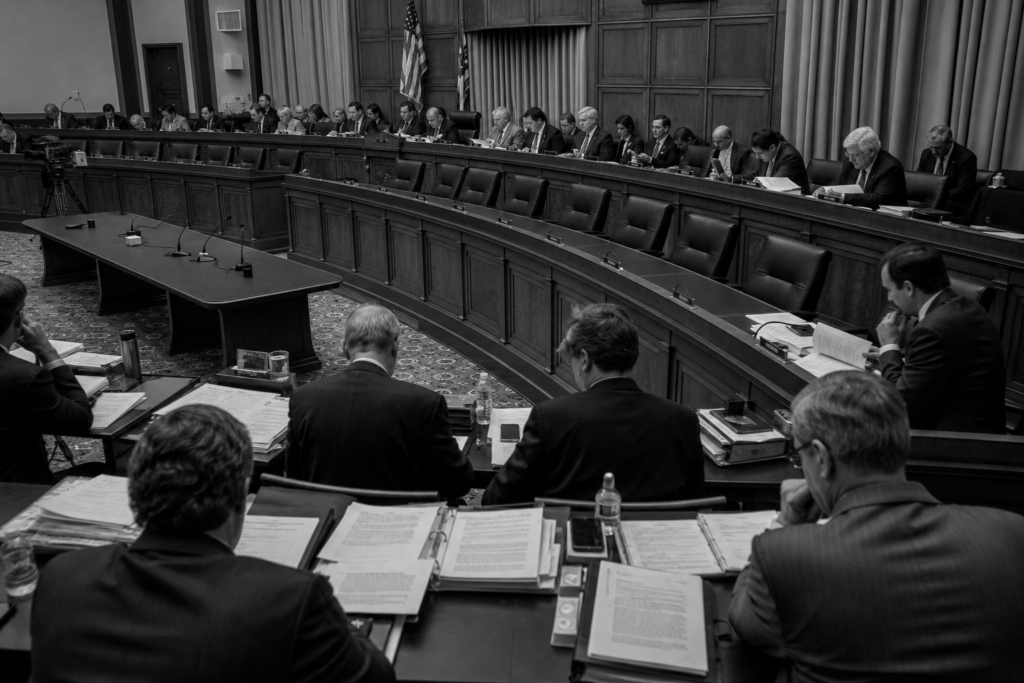
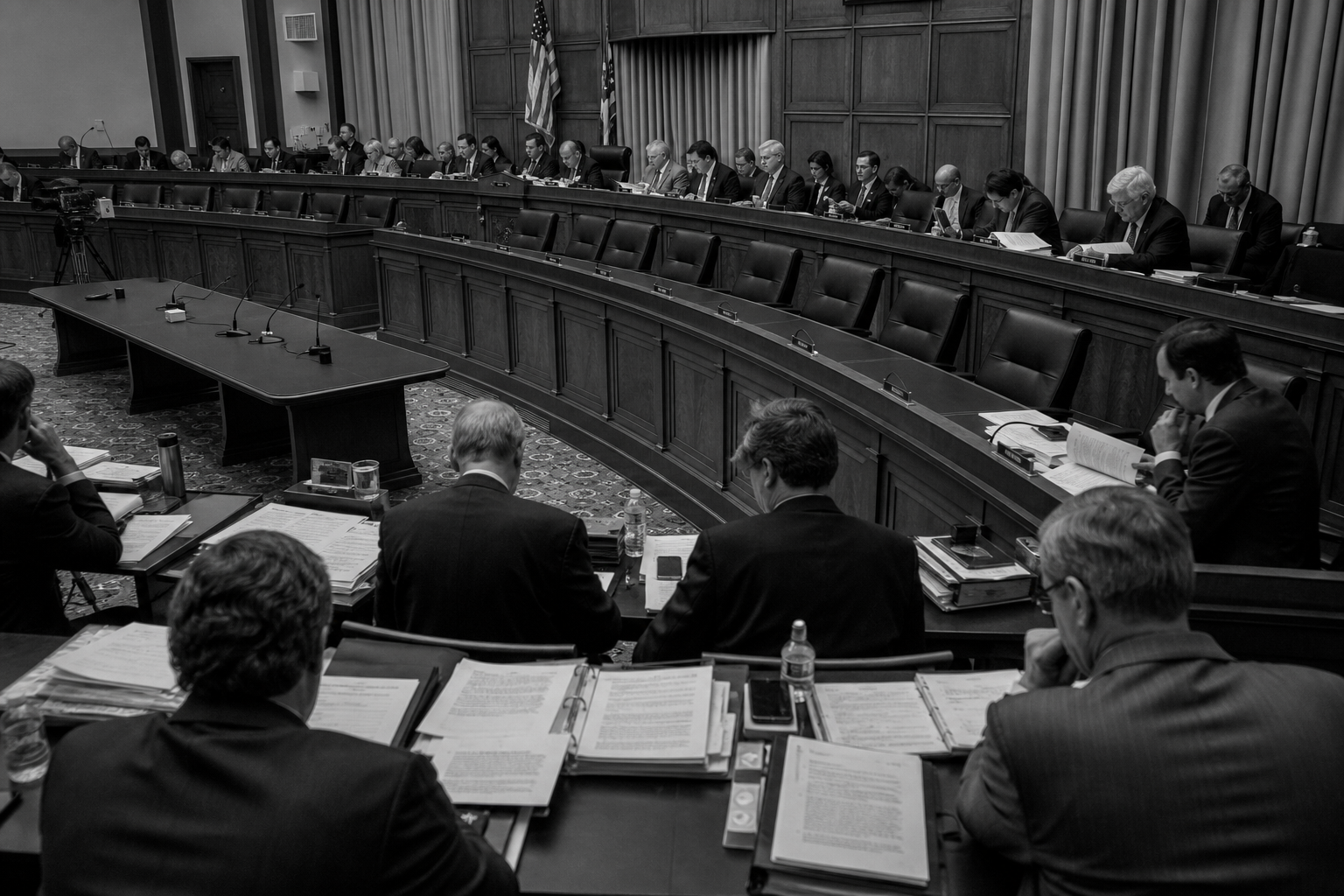
“Full disclosure” is a powerful promise, but congressional oversight is measured in less dramatic terms: a published charter, named members, formal committee authorization, document requests, sworn testimony, and a public record showing how agencies responded. Until those steps exist, references to a House Oversight UAP Task Force led by Rep. Anna Paulina Luna should be treated as a reported initiative or political objective, not automatically as an established House entity with independent powers.
This distinction shapes what UAP disclosure can realistically mean. It may involve access to responsive records, agency acknowledgment of what is held, public and closed-door testimony, review of classification decisions, or substantiation of particular allegations. Those are separate outcomes. Releasing archival material is not the same as declassifying sensitive information; hearing a witness is not the same as proving that witness’s claim.
This article follows the evidence trail rather than the rhetoric. It separates formal House action from announcements and advocacy, then examines the practical levers available through records requests, committee hearings, authorized subpoenas, appropriations, and agency-compliance scrutiny. Genuine progress will be visible in dated actions: an official mandate, a defined membership, scheduled proceedings, written demands for records, and accountable answers from the agencies that hold them.
What Is Officially Confirmed About the Reported Luna-Led UAP Panel?
The reported panel cannot yet be described here as a formally constituted House body. No primary material supplied for this assessment, such as a House Oversight announcement, a statement from Rep. Anna Paulina Luna’s official office, a committee notice, or a Congressional Record entry, establishes an official task force name, charter, membership list, sponsor, reporting line, or defined jurisdiction.
That leaves labels such as “House Oversight UAP Task Force,” “Luna-led UAP task force,” and “Anna Paulina Luna UFO task force” in a provisional category. They may describe a proposed initiative, a member-led effort, reported 2025 UAP transparency activity, press characterization, or social-media shorthand; none of those, standing alone, demonstrates that the House Oversight Committee or House leadership created a panel with delegated authority.
The distinction is consequential. A member can publicly seek UAP disclosure, organize colleagues, request briefings, or advocate hearings without gaining control of committee process. A formal committee task force, by contrast, would ordinarily have a publicly identifiable mandate and operate through its parent committee’s leadership, rules, staff, and investigative powers. Its authority would not arise merely from its title.
The strongest confirmation would be a dated official announcement that identifies who established the group, which members serve, what questions it may examine, and whether it reports to the full committee, a subcommittee, or House leadership. Until that record appears, “full disclosure” should be read as an announced objective rather than proof that a new House mechanism exists to compel it.
Why a House UAP Task Force Could Be Formed in 2025
Its rationale lies in a set of questions that earlier disclosures and investigations left open rather than resolved. Public House hearings brought military reporting, sensor data, classification practices, and interagency coordination into view; they did not establish that unusual cases reflect non-human intelligence or a concealed recovery program.
In 2023, former intelligence officer David Grusch alleged that the government possessed hidden crash-retrieval and reverse-engineering programs. Those were allegations made in sworn congressional testimony, not publicly substantiated findings. The Pentagon’s All-domain Anomaly Resolution Office (AARO), created to centralize investigation and reporting, has said its historical review found no verifiable evidence that the U.S. government had confirmed extraterrestrial technology or secretly reverse-engineered it. That disagreement is itself an oversight issue: lawmakers can ask what records were searched, who was interviewed, and whether classified evidence changes the public account.
Congress has also built reporting channels and protections intended to let government personnel raise UAP-related concerns without improper retaliation. Such provisions create a route for protected disclosures; they do not validate every disclosure or automatically make classified material public.
The legislative dispute over UAP disclosure sharpened the same divide. Broad proposals for a review board and presumptive release of government-held records were narrowed during defense-authorization negotiations, while the National Archives records-collection approach remained a more limited records-preservation and access mechanism. A 2025 House effort could therefore press for inventories, testimony, and explanations of withheld material, not treat government UFO cover-up claims as established fact.
What “Full Disclosure” Can Mean in Practical Congressional Terms
In operational terms, “full disclosure” is a political objective, not a switch that Congress can flip. For a prospective panel, meaningful UAP disclosure would mean creating a traceable account of what agencies hold, what they will describe publicly, and why particular material remains protected.
- A complete records inventory: agencies identify potentially responsive files, databases, contracts, reports, and archival holdings. An inventory establishes the universe of material under review; it does not itself prove the contents or require immediate publication.
- Classified briefings and lawful public testimony: members can seek detailed closed-session explanations while pressing officials or witnesses to provide an unclassified public account. The practical value lies in comparing the two records: whether the public version accurately conveys the significance of information that cannot be aired openly.
- Declassification review and unclassified summaries: rather than demanding raw files alone, a panel can request review decisions, redacted releases, and summaries that explain findings without exposing protected details.
- Compliance reports and inspector-general referrals: agencies can be asked to account for record searches, reporting channels, and missed deadlines. A referral is a request for independent scrutiny of possible mishandling or retaliation, not a finding that misconduct occurred.
That framework also defines the limits of UFO disclosure or alien disclosure rhetoric. Material may be released only in part, later than advocates want, with redactions, or not at all when classified information would reveal intelligence sources and methods, invade personal privacy, compromise an active law-enforcement matter, or remain otherwise protected. The strongest result is therefore not simply a large document dump; it is a public, testable explanation of what was reviewed, what was released, what was withheld, and on what basis.
What a House Task Force Can Actually Do, and What It Cannot
The decisive question is not the label attached to a group, but the chain of authority behind its requests. An informal task force is a member-led working group: it can coordinate questions, letters, staff research, and proposed oversight priorities, but its influence depends on a parent committee, its chair, applicable rules, and House leadership. A subcommittee is a formal division of a standing committee, with an assigned subject area and a clearer route to briefings or hearings. The full House Oversight Committee is the larger body through which its members may pursue that committee’s oversight jurisdiction. A statutory select body, by contrast, would exist because legislation created it and defined its membership, mission, and powers.
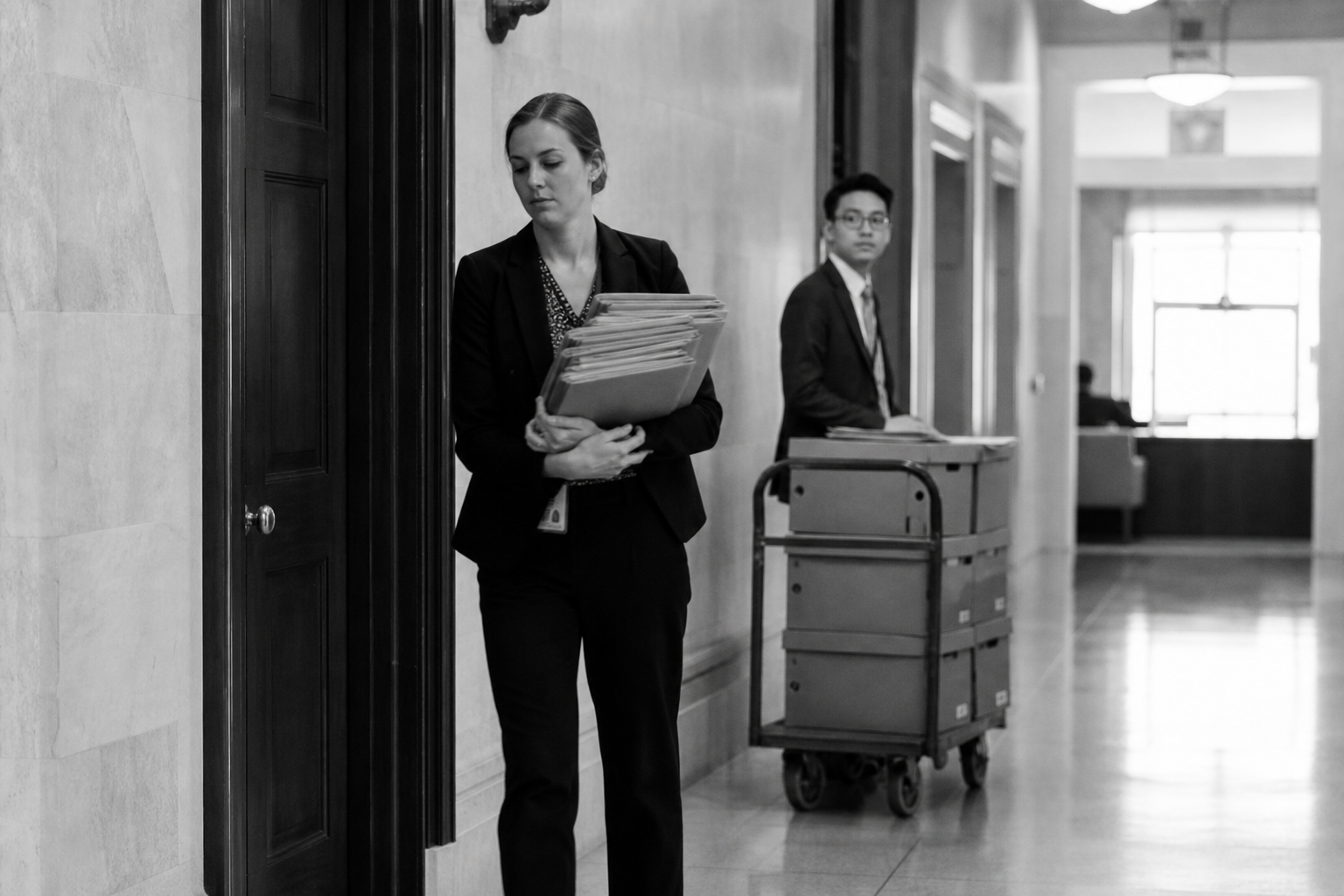
For the reported House UAP task force 2025, the practical tools begin below the level of compulsion. Members can request records, seek classified or unclassified briefings, coordinate signed letters to agencies, develop questions for witnesses, and recommend that the relevant committee hold a hearing. They can also press authorizing or appropriations committees to require reports, records reviews, funding conditions, or deadlines. Those steps create a usable oversight trail even when an agency does not immediately release underlying material.
Congressional subpoena power is not an automatic attribute of a task force or of an individual representative. A subpoena effort would need to proceed through the relevant committee and House procedures, making committee authorization and leadership support a meaningful checkpoint rather than a technicality.
- Strong signal: a dated committee action, such as a hearing notice, formal request, authorized subpoena, or legislative text, identifies the responsible body and the specific information sought.
- Weak signal: a social-media announcement or task-force branding alone, without a charter, membership, reporting line, or committee action.
Nor should a task force be assumed to have independent authority to declassify executive-branch material, gain automatic access to special-access programs, or establish extraordinary allegations as fact. Its most credible contribution is to test claims against records, sworn testimony, agency explanations and statutory responsibilities, and identifiable gaps in the public account.
The Most Realistic 2025 Agenda: Records, Testimony, and Compliance
An effective first deliverable would be an agency records map: a dated inventory showing which office may hold reports, sensor data, analytic products, program files, contract records, or correspondence; what period each repository covers; and whether the material is unclassified, classified, or subject to another access restriction. That map would turn a broad transparency demand into accountable requests with identifiable custodians and response deadlines.

The panel could then seek paired briefings. An unclassified session would test what AARO, the Pentagon, intelligence agencies, and inspectors general can explain publicly about case handling, reporting flows, records retention, and unresolved gaps. A classified session would let cleared members compare that public account with underlying material without assuming that classification itself validates an allegation. The useful output is a public description of questions asked, offices contacted, and categories reviewed, not a claim that every answer can be released.
Protected disclosures deserve their own review track. The central question is procedural: when a person brings forward an allegation, is it logged, preserved, referred to the proper oversight office, investigated within scope, and answered without exposing protected information? Witness testimony can identify leads, but it is strongest when the witness identifies firsthand knowledge, dates, locations, records, and officials able to corroborate it.
A separate status request could track record transfers and review: what has been located, what remains under agency control, what has been referred for public release, and why any material is withheld. Assertions about UAP sightings or “UFO sightings 2025” should not be folded into claims about a secret program without that evidentiary bridge.
- Verifiable lead: a specific claim can be tested against program authorities, budget lines, contracting records, chain-of-custody evidence, contemporaneous reporting, and accountable witnesses.
- Uncorroborated assertion: a claim supplies no identifiable record, firsthand basis, date range, responsible office, or witness who can be questioned under oath.
How the Panel Would Differ From the Schumer UAP Disclosure Proposal
The important distinction is between creating a disclosure system and using oversight to test whether that system is working. A Schumer-Rounds-style legislative proposal operates through statutory rules: it can define covered records, assign agencies duties, establish review procedures, and set a framework for archival handling. A House panel, by contrast, would not create those duties merely by asking questions; it could press agencies to explain their performance and seek legislation to change the rules.
The UAP Records Collection represents a records-access pathway, not a blanket release order. Collection means identifying and organizing responsive material for archival custody or tracking; review means deciding whether information can be released, redacted, or retained under an applicable restriction. Those are separate stages. A file’s presence in a National Archives collection would therefore show that it has entered a traceable process, not that every page will immediately become public.
That difference gives a prospective Luna-led initiative a more concrete role: it could compare agency inventories with transfer activity, ask why particular categories remain unavailable, and expose gaps between public descriptions and internal recordkeeping. It could also pursue a new authorization or disclosure measure if existing procedures prove too narrow.
- Stronger signal: catalog entries, accession or transfer notices, agency review updates, public release indexes, and released documents with identifiable provenance.
- Weaker signal: an announcement invoking UFO disclosure without a defined records process, agency response, or legislative text.
For readers, the practical benchmark is a growing public trail of records and accountable decisions, not an assumption that a congressional inquiry automatically compels release of all material.
What to Watch Next Before Calling It a Disclosure Breakthrough
The next useful test is whether a public paper trail emerges. Review the 2025 record and continuing 2026 UAP news for the following signals:
- a formal announcement, published membership, charter, and committee authorization;
- hearing notices that identify the forum, topic, and named witnesses;
- dated document requests, agency replies, and confirmation that any closed briefing occurred;
- released transcripts or witness statements, which permit claims to be assessed rather than merely repeated;
- introduced legislative text, whose wording distinguishes a proposal from an enacted requirement; and
- National Archives catalog, transfer, review, and release updates tied to identifiable records.
A closed-briefing confirmation is a stronger signal than an unexplained assertion that officials were contacted, but it is not proof of its contents. Likewise, future reporting on UFO sightings 2026 should separate a reported observation from corroborated records. UAP disclosure earns credibility through lawful testimony, traceable evidence, and agency answers that can be tested, not a task-force label or a single headline.
Disclosure Depends on Evidence, Authority, and Follow-Through
That standard leaves room for serious scrutiny without treating scrutiny itself as a finding. A Luna-led initiative could focus attention, organize questions, and create political pressure for clearer agency accounts. But its investigative value would rest on whether it gains formal backing and turns allegations into a record that can be compared, challenged, and publicly assessed.
The strongest outcome would not be a dramatic assertion. It would be a documented sequence: a defined body with named members; requests that identify particular offices, time periods, and record categories; testimony subject to meaningful examination; agency responses that address those requests; and released materials that let the public distinguish substantiated facts from unresolved claims. A hearing can expose inconsistencies, while a records release permits independent evaluation; neither automatically declassifies protected information.
That is the practical boundary of UAP disclosure. A task force may investigate and recommend, but it does not independently create executive-branch declassification decisions or make extraordinary allegations true. Congressional oversight becomes consequential when committee authority, credible evidence, agency compliance, and public-release decisions align.
Readers should therefore judge this effort by official creation, membership, hearings, document demands, responses, and accessible UAP records, not by the task force label or promises of “full disclosure” alone.
Frequently Asked Questions
-
What is the Anna Paulina Luna UAP task force?
The reported Luna-led UAP task force is a proposed or member-led congressional oversight effort focused on UAP records, testimony, and agency transparency. It has not been confirmed as a formally constituted House body with a published charter, membership list, or delegated authority.
-
Is the House Oversight UAP Task Force an official congressional committee?
No official primary record identified an established House Oversight UAP Task Force with a formal mandate, named members, reporting line, or committee authorization. A formal panel would normally have a dated announcement, defined jurisdiction, and identifiable parent committee authority.
-
What can a House UAP task force actually compel the Pentagon to disclose?
A member-led task force can request records, seek classified and unclassified briefings, send agency letters, and recommend hearings. It cannot independently issue subpoenas, declassify executive-branch material, or automatically access special-access programs because those actions require committee authorization and House procedures.
-
Can UAP whistleblowers testify publicly without violating classification rules?
Yes, whistleblowers can provide lawful public testimony about unclassified matters while handling classified details through protected channels or closed briefings. Public testimony is strongest when it includes firsthand knowledge, dates, locations, identifiable records, and officials who can corroborate the claim.
-
What should I look for before treating a UAP disclosure effort as credible?
Look for a formal charter, named members, committee authorization, hearing notices, dated document requests, agency responses, and released records with identifiable provenance. National Archives catalog entries, transfer notices, review updates, and public release indexes are stronger evidence than task-force branding or social-media announcements.