FY2023 NDAA Expands AARO: UAP Redefined, Whistleblower Protections Added
Learn how FY2023 NDAA UAP provisions expanded AARO, broadened UAP definitions, and added protected reporting while preserving classification rules.
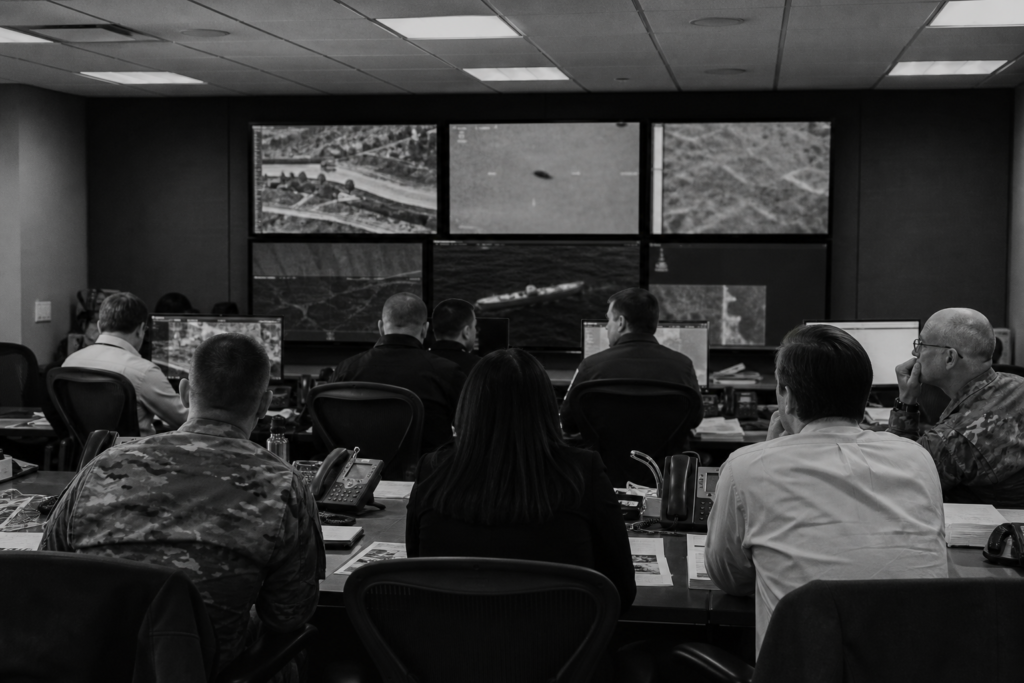
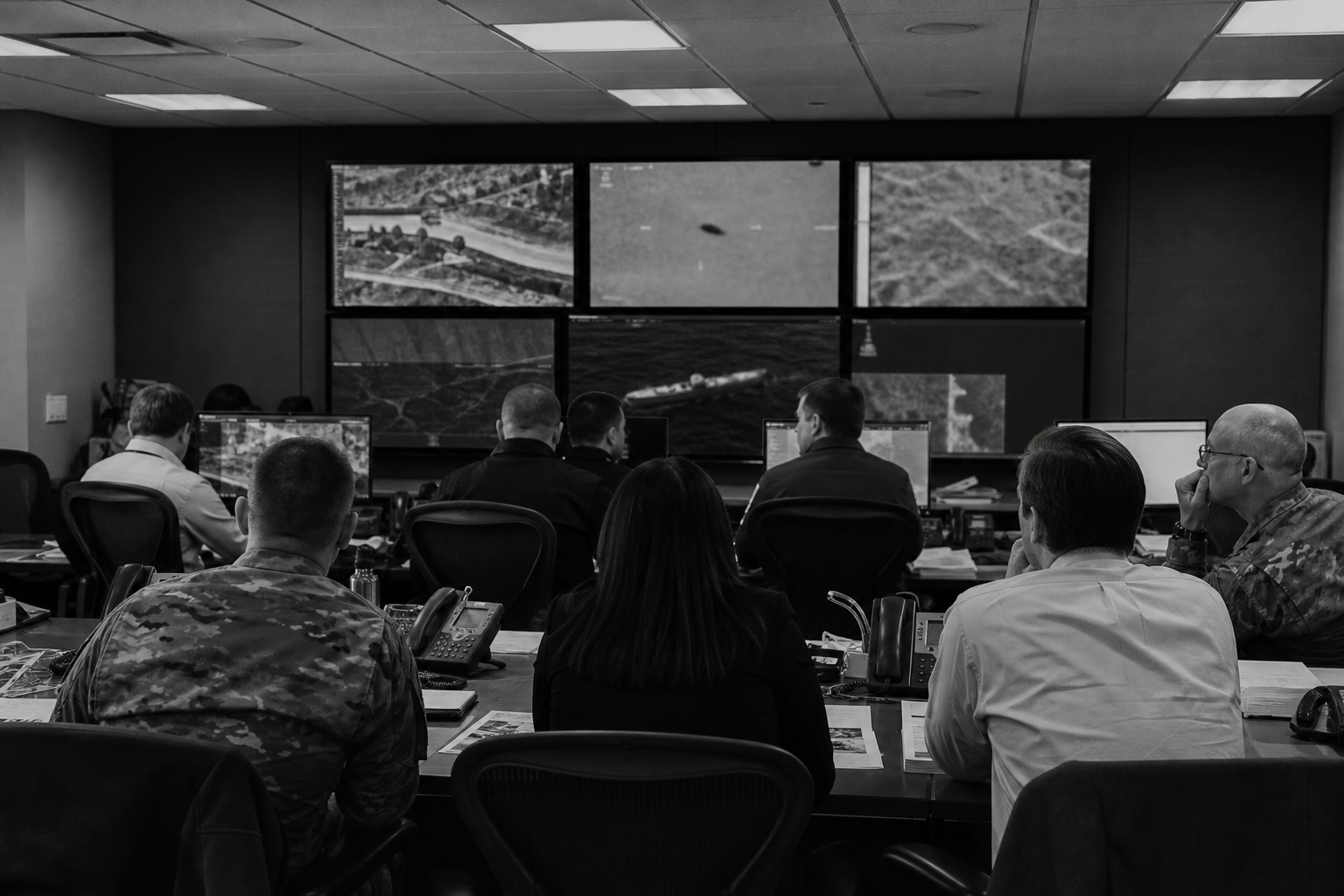
The FY2023 National Defense Authorization Act marked a durable shift in how the federal government organizes UAP-related work. Its importance lies in the NDAA UAP provisions’ institutional and oversight architecture: Congress expanded and formalized the All-domain Anomaly Resolution Office (AARO), gave the subject a broader statutory frame, and created protected channels for personnel with potentially relevant information.
That is not the same as an official finding that any reported object is nonhuman, extraterrestrial, or extraordinary. The law addressed how the government should collect, assess, report, and oversee unresolved observations and related information, not what ultimately explains them.
The broader framework matters because it reaches beyond a conventional airborne sighting. “All-domain” encompasses observations in air, space, and maritime environments, including objects or signatures that appear to move between domains; the point is to avoid routing a potentially relevant event into separate bureaucratic silos simply because it is not confined to the sky.
This article examines what changed from the earlier UAP organizational arrangement, what protected authorized reporting and anti-reprisal measures were designed to do, and what they did not do. In particular, protected reporting did not mandate public release of classified material or blanket declassification of government records. Allegations, testimony, and later disclosure proposals remain distinct from the FY2023 law’s enacted requirements.
What the FY2023 NDAA Changed, and What It Did Not Establish
The statute’s practical dividing line was between information that merits authorized review and an explanation that has been proved. Public Law 117-263 changed the former process; it did not establish that any incident was nonhuman, extraterrestrial, or otherwise extraordinary.
Formally, Public Law 117-263 is the National Defense Authorization Act for Fiscal Year 2023. Its UAP provisions put AARO on clearer statutory footing, broadened the subject from unidentified airborne objects toward anomalous phenomena across air, space, maritime, and transmedium settings, and established authorized reporting channels with anti-reprisal protections for relevant personnel.
Those three changes served distinct functions. A designated office creates a focal point for collecting and assessing material across government; an all-domain frame keeps an observation from falling outside the process merely because it crosses operational environments; and protected reporting routes potentially relevant information to designated government reviewers rather than treating it as public release.
Just as important are the limits. The measure did not order universal declassification, compel publication of all records, or turn internal reports into verified findings. Required congressional reporting and oversight can increase accountability while sensitive information remains controlled. The result was stronger authorized review, not automatic public UAP disclosure.
From the UAP Task Force to a Codified, Expanded AARO
The relevant institutional story is a progression, not a before-and-after jump from no federal capability to AARO. The Department of Defense first organized the UAP Task Force to concentrate attention on military reports of unidentified aerial phenomena. Congress then required the Airborne Object Identification and Management Synchronization Group, or AOIMSG, as an interagency coordination arrangement focused on identifying and managing such objects.
The FY23 NDAA AARO provision redesigned and expanded that arrangement as the All-domain Anomaly Resolution Office. “Codified” matters here: Congress put the office’s central responsibilities into statute rather than leaving its purpose solely to internal organizational decisions. The resulting Pentagon UFO office shorthand can be useful, but it understates AARO’s formal remit: it was structured to synchronize collection, reporting, analysis, and resolution work involving unidentified anomalous phenomena across the Department of Defense and the Intelligence Community.
That is a practical change in accountability as well as naming. A task force can concentrate expertise around a defined problem; a statutory office has specified duties, reporting expectations, and designated coordination relationships against which Congress can conduct oversight. AARO’s role was therefore not simply to receive sighting reports. It was meant to connect operational reporting, intelligence analysis, technical assessment, and interagency coordination so potentially related information would not remain isolated in separate military or intelligence channels.
The expanded title also signals the mission’s intended reach. “All-domain” directs attention beyond a conventional aircraft-like observation toward incidents that may implicate airspace, space, maritime environments, or movement across more than one domain. That broader frame does not establish what any incident is. It changes which reports and data streams belong in the same government resolution process, a distinction developed further in the statute’s terminology.
How the Law Broadened the Statutory Conception of UAP
Terminology does much of the substantive work in this part of Public Law 117-263. The statute uses unidentified anomalous phenomena as its umbrella term, defined to include “unidentified aerospace-undersea phenomena” and unidentified objects or devices. That wording moves the legal frame beyond the older implication that the subject is limited to an aerial observation.

“Aerospace-undersea” joins environments that often sit in separate reporting and analytical systems. It covers phenomena observed in aerospace or undersea domains, including objects temporarily identified but displaying behavior or performance characteristics not readily understood, transmedium objects or devices, and objects or devices not immediately attributable to known actors. In practical terms, an unexplained sensor track below water and an aircraft crew’s visual observation are both potentially within the same resolution mission; neither is automatically evidence of the same cause.
The transmedium category is particularly revealing about scope. It addresses objects or devices observed moving between space and the atmosphere, or between the atmosphere and a body of water. Congress also directed AARO’s synchronized effort across space, atmospheric, and maritime domains. The point is to prevent an incident from being excluded merely because it crosses a boundary between organizations, sensor systems, or operational environments.
That is broader than the everyday vocabulary of UAP sightings, or the shorthand common in UFO news, but it is not a finding about what any reported item is. A statutory category tells agencies what information should be collected, correlated, assessed, and resolved. “Unidentified” describes an unresolved attribution at a given point in the process; “anomalous” identifies behavior or characteristics requiring analysis. Neither term establishes non-human origin, advanced intelligence, hostile intent, or even that a discrete physical object was present.
The 2023 NDAA UAP provisions therefore expanded the government’s intake and analytical aperture, not the evidentiary conclusions available from a particular report. A strong case still depends on the quality of underlying observations, sensor data, corroboration, and the ability to rule out ordinary explanations.
Protected UAP Reporting: What the Whistleblower Provisions Added
A report can be operationally valuable even when its underlying explanation remains uncertain. Section 1673 of Public Law 117-263 directed the Secretary of Defense to establish a secure process through which covered individuals could provide authorized reports involving unidentified anomalous phenomena.

The relevant population was broader than military aircrew. The provision reaches current or former federal employees, members of the armed forces, and people working for the government through contractors, subcontractors, grantees, subgrantees, or personal-services contracts. That matters because potentially relevant information may sit in sensor operations, intelligence analysis, program management, security functions, or contractor-held records, not solely in a pilot’s account of an encounter.
The reporting framework contemplated information about a UAP-related event, activity, or program, including material that may not have been explicitly and clearly reported to Congress or AARO. A secure mechanism is significant because it creates an official route for information that may be classified, compartmented, or otherwise unsuitable for ordinary public discussion. It is an intake and oversight tool: a person can raise potentially relevant facts without treating a media interview or unauthorized release as the reporting channel.
The FY2023 NDAA UAP whistleblower protections also prohibited adverse personnel action as reprisal for making a qualifying report through the authorized process. In practical terms, the safeguard addresses retaliation risks such as punishment, demotion, loss of duties, or other harmful treatment tied to the act of reporting. It does not provide blanket immunity for unrelated conduct, erase classification obligations, or protect disclosures made outside the statute’s authorized framework.
Congress paired that protection with an oversight path involving designated officials and Inspectors General. Inspectors General can receive and assess reprisal allegations within their respective authorities, giving a UAP whistleblower a route beyond the immediate office or chain of command implicated by a complaint. The mechanism is procedural: it preserves a way to submit information and challenge retaliation; it does not establish that every report is accurate, complete, or substantiated.
For a prospective reporter, the practical distinction is straightforward. A strong submission identifies the information, its source or records, the relevant program or event, and the authorized UAP reporting channel. An extraordinary conclusion without supporting particulars may still be reported, but protection for reporting does not convert an allegation into an official finding. Because the applicable rules can depend on employment status, clearance access, and the material involved, individuals considering a report should use authorized channels and obtain qualified legal advice tailored to their circumstances.
Why Protected Reporting Was Not a Public UFO Disclosure Law
Authorized reporting and public release serve different purposes. The FY2023 NDAA created a protected route for information to reach designated government recipients; it did not require the government to publish every UFO or UAP record, order wholesale declassification, or give personnel permission to disclose classified material outside lawful channels.
That distinction is practical, not semantic. A secure internal submission can allow reviewers with the necessary access to compare a report against sensor holdings, program records, intelligence, or prior incidents. A public release, by contrast, may expose collection methods, platform capabilities, locations, identities, or details relevant to an ongoing investigation. The reporting protection addresses retaliation for using the authorized route; it does not override the rules that control who may receive sensitive information.
Several restrictions can therefore coexist with a protected report. Classification limits dissemination of national-security information; compartmented access limits material to people cleared for a particular program; privacy rules can protect personnel and other identifiable individuals; and operational-security concerns can prevent release of details that would reveal vulnerabilities or capabilities. None of those controls means a report cannot be assessed. They determine the channel and audience for assessment.
This boundary also matters when public debate frames the statute as proof of a government UFO cover-up or as an alien disclosure measure. Public Law 117-263 established an internal reporting and oversight mechanism, not a legal finding about the origin of reported phenomena and not a universal disclosure mandate.
Later UAP disclosure proposals and declassification processes, hearings, and public arguments about archival release should be treated as later events, not provisions enacted in the FY2023 NDAA. The useful test is straightforward: a measure that directs protected submission to authorized officials is a reporting safeguard; a measure that compels public release or creates a declassification process is a different kind of legislative action. Later FY2024 disclosure-law debates likewise differed from the enacted FY2023 NDAA.
The Practical Significance for UAP Oversight
The operational value lies in turning scattered observations and restricted holdings into material that can be compared, assessed, and elevated through a standing oversight structure. AARO’s expanded mandate gave the Department of Defense a focal point for coordinating information that may touch military readiness, intelligence collection, flight safety, space operations, maritime activity, and security of sensitive programs.
Standardized intake is central to that function. A report with a time, location, observing platform, sensor output, chain of custody, and relevant unit or program gives analysts a basis to test competing explanations and identify gaps. A bare assertion may still warrant receipt through an authorized channel, but it is a weaker basis for assessment. Aggregating comparable reports also gives Congress a clearer means to oversee whether agencies are collecting information consistently and resolving it responsibly.
The NDAA UAP provisions therefore support a limited but important inference: Congress and the executive branch regarded unidentified phenomena as a cross-agency defense and data-governance problem requiring durable review. They do not establish that a particular incident is genuine, that its cause is extraordinary, or that claims of non-human intelligence are true.
Nor does better internal oversight make every underlying record public. The practical measure of the framework is whether relevant information can reach authorized reviewers, be weighed against available evidence, and inform accountable reporting, not whether each unresolved claim becomes a public finding.
What the FY2023 NDAA’s UAP Changes Actually Mean
The practical takeaway is institutional rather than evidentiary. A standing focal point, an all-domain analytical lens, and a protected route for potentially relevant information address three different weaknesses: fragmented responsibility, artificially narrow intake, and reluctance to raise sensitive material through proper channels.
Those tools can make review more durable and accountable. They do not convert an observation into a verified event, reconcile conflicting accounts by themselves, or determine the cause of an anomaly. A report remains stronger when it can be tested against records, sensors, timing, and corroborating information than when it rests on an unsupported conclusion.
Protected reporting also differs from publication. It concerns how information reaches authorized reviewers and how a reporter is treated for making that submission; it is not a promise that every underlying record or allegation will become public. Anyone considering a report should use the applicable authorized process and obtain qualified legal advice suited to the role, information, and circumstances involved.
Read in those terms, the NDAA UAP provisions strengthened UAP oversight and information governance without settling what reported anomalies are. The enduring significance is a more formal process for receiving, assessing, and supervising claims, not an alien-disclosure mandate or a finding that extraordinary explanations are correct.
Frequently Asked Questions
-
What did the FY2023 NDAA change about AARO?
Public Law 117-263 put the All-domain Anomaly Resolution Office, or AARO, on clearer statutory footing and assigned it responsibilities for synchronizing UAP collection, reporting, analysis, and resolution across the Department of Defense and Intelligence Community. It expanded the prior coordination structure beyond a focus on airborne objects.
-
Did the FY2023 NDAA redefine UAP?
Yes. The law used “unidentified anomalous phenomena” as an umbrella term that includes unidentified aerospace-undersea phenomena and unidentified objects or devices. Its scope covers air, space, maritime, and transmedium observations, including objects moving between space, the atmosphere, and water.
-
Who can use the FY2023 NDAA’s protected UAP reporting process?
Section 1673 covers current and former federal employees, armed forces members, and people working through contractors, subcontractors, grantees, subgrantees, or personal-services contracts. The secure process is intended for authorized reports about UAP-related events, activities, or programs, including potentially classified or compartmented information.
-
What should a UAP whistleblower include in an authorized report?
A useful report should identify the information, its source or supporting records, the relevant event or program, and the authorized reporting channel used. Time, location, observing platform, sensor output, chain of custody, and relevant unit or program details give reviewers a stronger basis to assess competing explanations.
-
Does UAP whistleblower protection allow classified information to be publicly released?
No. The FY2023 NDAA protects qualifying reports made through authorized channels from reprisal, but it does not authorize public disclosure of classified material, require universal declassification, or compel publication of UAP records. Protected reporting sends information to designated officials and oversight bodies rather than the public.