Rubio-Warner UAP Law Signed 2020: Intelligence Report Mandate Becomes Official
Learn how the Rubio Warner UAP law 2020 mandated an intelligence report, what Section 1683 required, and why it did not order full disclosure.
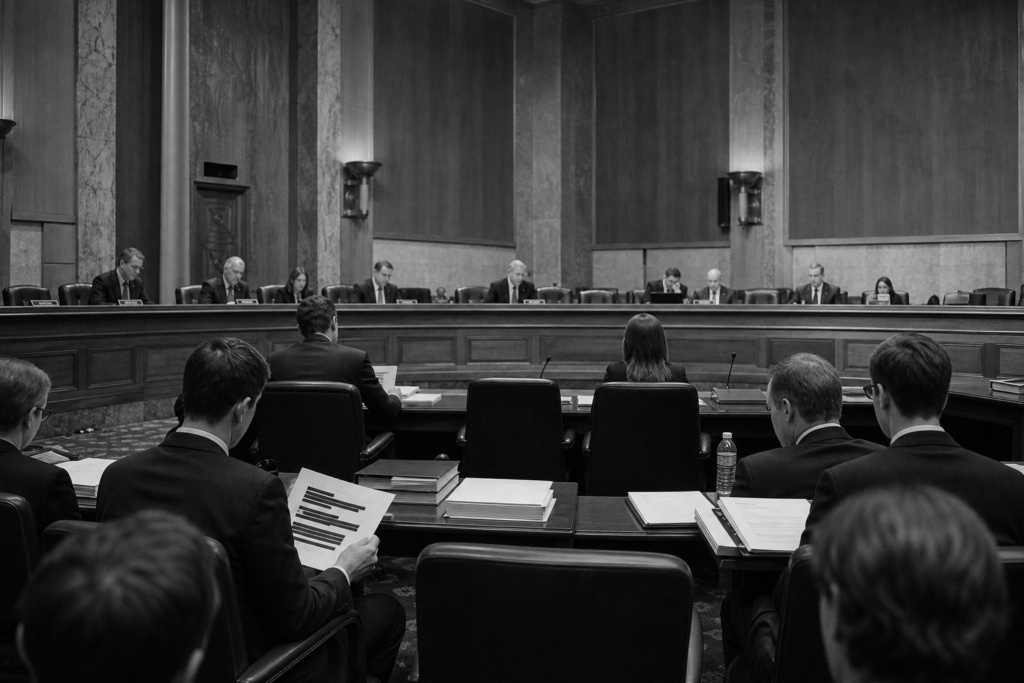
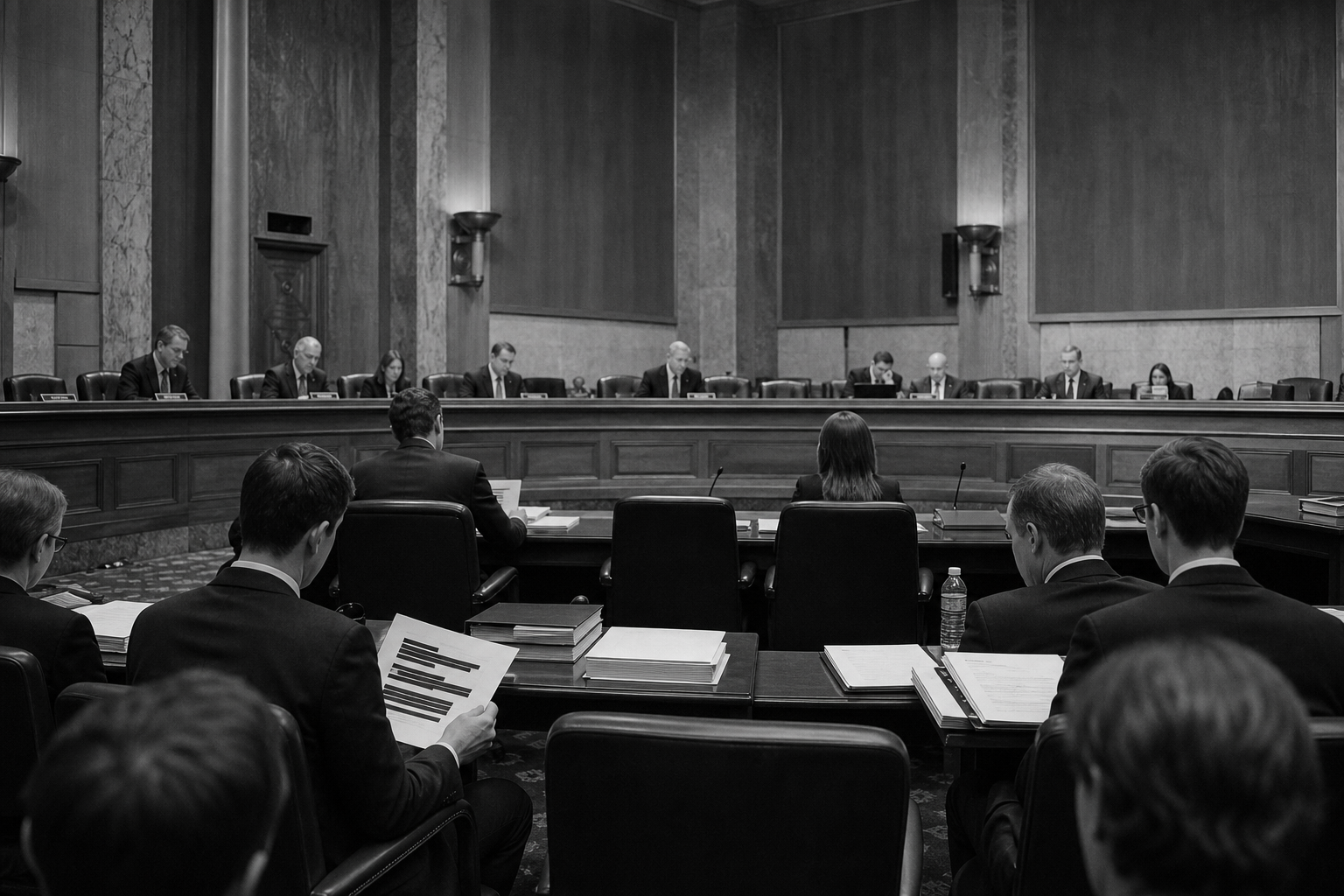
The pivotal change in 2020 was not a blanket order to publish everything the government held about unidentified aerial phenomena. It was a narrower, and more durable, step: Congress made a formal intelligence assessment a legal requirement. The measure, enacted in December 2020 as part of the Intelligence Authorization Act for Fiscal Year 2021, is commonly identified as Section 1683.
That distinction matters when evaluating claims about UAP disclosure. A reporting mandate directs intelligence and defense officials to assemble, analyze, and brief specified information. Broad disclosure would instead require public release or declassification of underlying records. Those are different obligations, with different consequences for the public record.
This article traces what the Rubio-Warner-backed provision required, including its unclassified-report component and its treatment of classified material; why the mandate mattered for congressional intelligence oversight; and how it led to the June 2021 ODNI preliminary assessment. It also separates this 2020 law from later proposals involving records release, whistleblower claims, or expansive declassification. Its significance lies in making UAP analysis an accountable federal reporting duty, not in resolving what UAP are or compelling comprehensive public release.
The 2020 Law That Made a UAP Intelligence Report Mandatory
Congress placed the requirement in Section 1683, “Reports on unidentified aerial phenomena,” within the Intelligence Authorization Act for Fiscal Year 2021. That authorization became law as Division H of the Consolidated Appropriations Act, 2021, which President Donald Trump signed on December 27, 2020. The legislative vehicle matters: this was an intelligence-law provision enacted inside a larger appropriations package, not a stand-alone “UFO disclosure” statute.
Its practical effect was to impose a defined reporting task on senior intelligence and defense officials. They had to produce an assessment for Congress on the government’s UAP knowledge, collection methods, potential national-security implications, and coordination gaps, with an unclassified version available to the public and classified material handled separately. The result was the June 2021 ODNI preliminary assessment. The sections that follow trace the measure’s Senate origins, its precise requirements, and the oversight structures that grew from the reporting obligation.
Why the Measure Is Often Called the Rubio-Warner UAP Law
The “Rubio-Warner” label reflects committee leadership and sponsorship context, not a claim that two senators alone wrote or enacted the requirement. During the 116th Congress, Senator Marco Rubio chaired the Senate Select Committee on Intelligence and Senator Mark Warner served as its vice chairman. That bipartisan leadership placed the committee at the center of Senate oversight of intelligence collection, analysis, and reporting.
In its work on the fiscal-year 2021 intelligence authorization process, the committee included language seeking a more systematic government analysis of unidentified aerial phenomena. A committee report is an important statement of congressional intent and oversight priorities, but it is not itself binding law. The consequential step came when Congress enacted the FY2021 Intelligence Authorization Act UAP provision in the final legislation: Section 1683 supplied the operative reporting requirement.
That distinction explains both the usefulness and the limits of calling it the Rubio-Warner UAP report mandate. Rubio and Warner led the Senate intelligence committee that advanced the issue, while the legal obligation resulted from the full legislative process, passage by Congress and enactment within the Consolidated Appropriations Act, 2021. The name is therefore political shorthand for a committee-driven, bipartisan oversight initiative rather than a formal statutory title.
It should also not be confused with later UAP disclosure proposals involving broader records release or alleged non-human intelligence. The 2020 measure’s identifiable achievement was narrower: it moved UAP analysis onto a congressionally required intelligence-reporting track.
What Section 1683 Actually Required
Section 1683 assigned the task to the Director of National Intelligence, acting in consultation with the Secretary of Defense. That pairing mattered: the DNI was responsible for the intelligence-community assessment, while the Defense Department was essential because military organizations held much of the relevant operational reporting and collection data.
The law set a firm deadline: the report was due within 180 days of enactment. It required an unclassified report, meaning Congress directed that a public-facing version be possible, while expressly allowing a classified annex. The distinction is consequential. The unclassified report could establish the government’s overall findings and oversight concerns; the annex could protect sensitive sources, methods, capabilities, or incident-level details. Section 1683 did not require every underlying record to be released publicly.
The required analysis was broader than a list of sightings. It called for detailed examination of UAP data and intelligence reporting held by the Office of Naval Intelligence, including material associated with the UAP Task Force, as well as relevant Federal Bureau of Investigation data. In practical terms, Congress sought an assessment built from existing intelligence and law-enforcement holdings rather than a collection of isolated public accounts.
- Collection and reporting: an explanation of how UAP information would be gathered, analyzed, and disseminated across agencies.
- Accountability and coordination: identification of an official responsible for that interagency process, so the work would not remain divided among separate offices without clear ownership.
- Threat assessment: identification of potential aerospace or other threats to national security, including whether activity could be attributed to foreign adversaries and whether patterns suggested a breakthrough aerospace capability.
Flight safety was not phrased as a separate, stand-alone statutory element in Section 1683. Yet an inquiry into unidentified objects or phenomena operating in airspace naturally overlaps with aviation risk, while the law’s express focus remained national-security threats, intelligence analysis, and a coordinated reporting system. This is the operative content behind the description of the UAP report mandate in the FY2021 Intelligence Authorization Act signed into law in 2020.
What the 2020 Mandate Did Not Do
A report requirement is not a records-release requirement. Section 1683 directed executive-branch officials to analyze and report; it did not order agencies to locate, transfer, and publish every UAP-related file in their custody. Its unclassified component created a public account of conclusions, while the classified annex preserved a channel for material that could not be made public. That is materially narrower than full UFO disclosure.

Nor did the provision make a factual finding about the origin of any incident. “Unidentified” described the status of information available for assessment, not proof of an extraterrestrial or non-human explanation. The statute required analysis of possible threats, foreign-adversary attribution, and potential aerospace advances. It supplied no congressional finding of alien activity and no conclusion validating claims of a government UFO cover-up.
The distinction becomes clearer beside the later Schumer-Rounds UAP Disclosure Act proposal. That separate legislative concept contemplated a UAP Records Collection: a centralized body of relevant government records, with review and disclosure procedures resembling a structured historical-records program. A collection changes the question from What must intelligence leaders report? to Which records must agencies identify, preserve, review, and potentially release?
Section 1683 created neither that collection nor a government-wide declassification schedule. Its lasting importance lies in making senior officials answerable for an intelligence assessment, not in settling extraordinary claims or opening every underlying file to the public.
What Happened After Signing: The June 2021 ODNI Assessment
The June 25, 2021 release of Preliminary Assessment: Unidentified Aerial Phenomena supplied the first public benchmark produced under the mandate. Prepared with the Department of Defense and the Unidentified Aerial Phenomena Task Force, it was an initial intelligence assessment rather than a separate disclosure initiative.
The assessment reviewed 144 reports, made largely by U.S. Navy personnel, from 2004 through 2021. Officials identified one reported object with high confidence as a large, deflating balloon. The remaining 143 reports could not be confidently identified from the available information; unresolved status did not establish any particular origin.
Data quality was the central limitation. The assessment described inconsistent reporting, nonstandard collection, and sensor information that could be incomplete or difficult to interpret. Radar, infrared imagery, and a pilot observation can provide a stronger analytical record than a brief visual account, but even multiple sensors may not yield enough detail for attribution.
The June 2021 preliminary assessment grouped possible explanations into airborne clutter, natural atmospheric phenomena, U.S. government or industry developmental programs, foreign-adversary systems, and an “other” category for cases requiring further analysis. It noted apparent unusual flight characteristics in some reports while emphasizing the need for additional analysis.
Its practical focus was aviation safety, counterintelligence, and national security. An unidentified object in a military operating area could endanger aircrews or reflect foreign collection activity or aerospace capability. The report therefore set a public baseline for continued intelligence work, not an extraordinary-origin determination.
How the Reporting Mandate Helped Drive the Move Toward AARO
The assessment translated an oversight problem into an organizational one: scattered reports and uneven sensor data could not be resolved reliably without a common process for receiving, retaining, and analyzing them. Its call for standardized reporting and better intelligence collection and analysis did not itself create a new office, but it made the operational gap visible to Pentagon leaders and Congress.
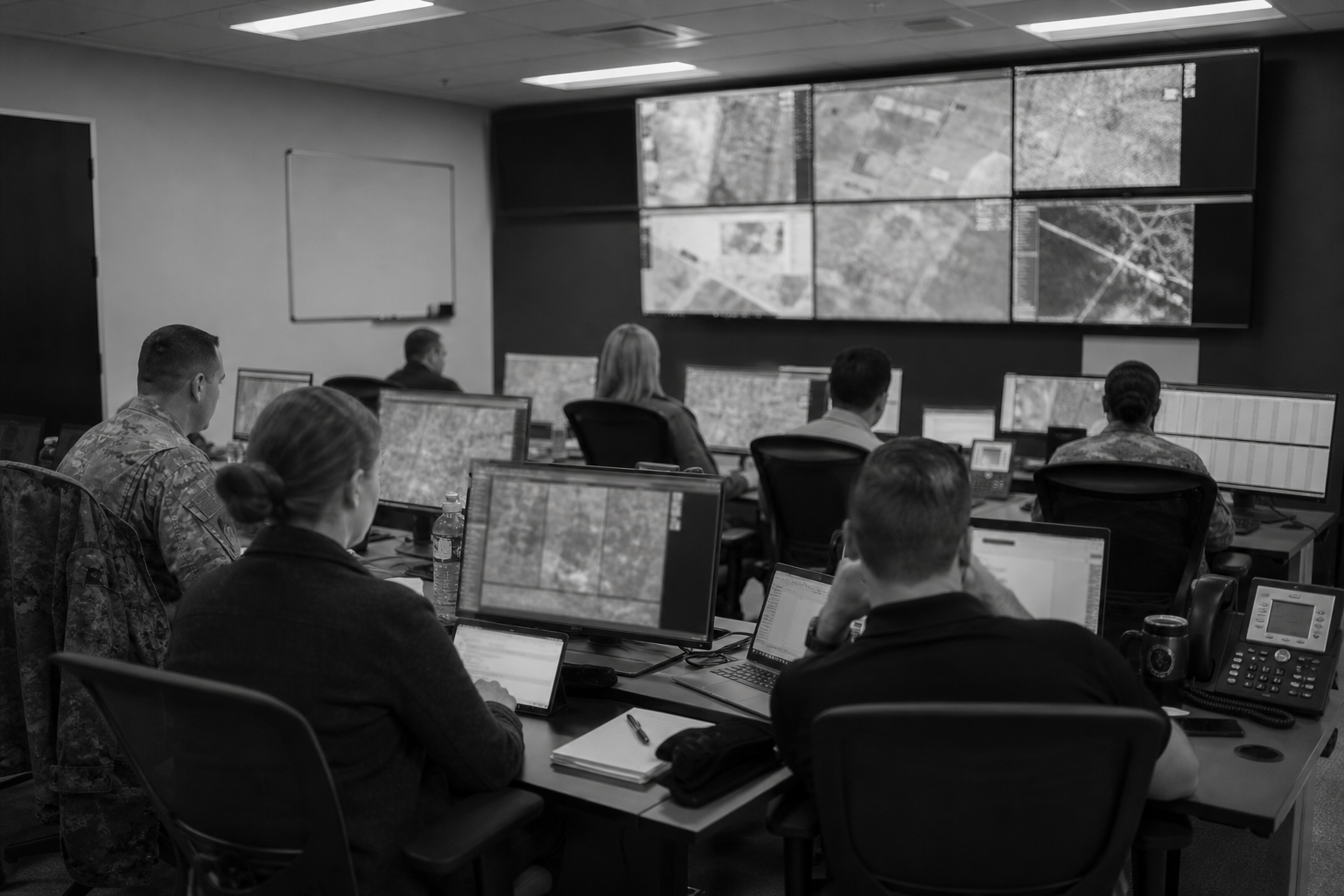
In November 2021, the Department of Defense created the Airborne Object Identification and Management Synchronization Group, or AOIMSG. The group was intended to synchronize identification work across the department and intelligence community, replacing the more limited task-force model with a coordination mechanism. That change mattered because a Navy-originated report, an intelligence sensor record, and an airspace-safety concern could otherwise remain in separate channels rather than inform one assessment.
Congress then supplied a broader statutory framework in the FY2022 National Defense Authorization Act, directing the establishment of an office to coordinate efforts involving unidentified aerospace-undersea phenomena. In July 2022, Defense named that organization the All-domain Anomaly Resolution Office, or AARO. “All-domain” expanded the analytical frame beyond airborne observations to potential cross-domain or transmedium objects, while retaining a defense and intelligence mission rather than creating a public-release office.
Later defense authorization laws built annual reporting and briefing structures around that work. The sequence is important for interpreting UAP news: the 2020 requirement did not single-handedly create AARO, but its required assessment exposed deficiencies that later executive and congressional actions addressed through a standing coordination and reporting system.
Why the 2020 UAP Law Still Matters for Disclosure Claims
The useful legacy is a standard of proof, not a promise that every unresolved case will become public. Section 1683 required an intelligence assessment, and the June 2021 unclassified assessment provided a baseline against which later official reporting can be compared. That is a meaningful form of UAP disclosure: officials must describe what they assessed, while protected operational details can remain classified.
For claims about UFO sightings 2025 or UFO sightings 2026, separate four categories. An official reporting requirement shows that an agency must collect or brief on information; it does not validate a particular sighting. A released image, video, or report is evidence that can be examined, but it may still be unresolved. Classified material may explain why public accounts are incomplete, not what conclusion it contains. Speculation, especially claims of non-human origin without released, independently assessable support, remains speculation.
That distinction keeps the 2020 law in proportion: it made UAP oversight answerable to Congress and established a public benchmark, but it did not compel comprehensive release or settle what any individual report represents. Later UAP records-collection efforts provide a useful comparison with this narrower reporting obligation.
The Lasting Meaning of the 2020 UAP Reporting Mandate
The practical test for any later claim is whether it preserves the chain between obligation, assessment, and institution. Section 1683 imposed a time-limited reporting duty on senior intelligence and defense officials; the June 2021 preliminary assessment was the first public-facing product of that duty; and subsequent structures, including AARO, reflect a continuing effort to make collection and analysis more systematic. Each step increased accountability, but each served a different function.
That distinction is essential when evaluating modern UAP disclosure claims. A required report means Congress can demand an assessment and receive protected detail through classified channels. An unclassified assessment gives the public a bounded account of findings. A records-release measure, by contrast, would direct the handling and publication of underlying government materials. Treating those categories as interchangeable turns a documented oversight milestone into a promise the 2020 law never made.
The mandate’s lasting achievement is therefore institutional rather than sensational: it established that unidentified phenomena warranted organized intelligence attention, a formal response to Congress, and a public benchmark for judging later official statements. It did not establish the origin of any incident, require universal declassification, or resolve claims that extend beyond the evidence made public.
Frequently Asked Questions
-
What is Section 1683 of the FY2021 Intelligence Authorization Act?
Section 1683, titled “Reports on unidentified aerial phenomena,” required the Director of National Intelligence, in consultation with the Secretary of Defense, to provide Congress with a UAP intelligence assessment. It became law on December 27, 2020, as part of the Consolidated Appropriations Act, 2021.
-
Was the June 2021 UAP report required by law?
Yes. Section 1683 required a report within 180 days of enactment, leading to ODNI’s June 25, 2021 Preliminary Assessment: Unidentified Aerial Phenomena. The report was prepared with the Department of Defense and the UAP Task Force.
-
What did the Rubio-Warner UAP law require agencies to report?
The law required analysis of UAP data from the Office of Naval Intelligence, the UAP Task Force, and relevant FBI holdings. It covered collection, analysis, interagency dissemination, responsible-official accountability, foreign-adversary attribution, and potential national-security threats.
-
Did the 2020 UAP law require the government to publicly disclose all UFO evidence?
No. Section 1683 required an unclassified public report but allowed a classified annex for sensitive sources, methods, capabilities, and incident details. It did not order agencies to release every UAP-related record or establish a government-wide declassification schedule.
-
How should you distinguish a UAP reporting mandate from a UAP records-release law?
Look for whether a law requires officials to assess and brief information or requires agencies to identify, preserve, review, and release underlying records. Section 1683 was a reporting mandate, while later records-collection proposals, such as the Schumer-Rounds UAP Disclosure Act concept, contemplated broader handling and potential release of government files.