Ryan Graves’s 2023 Congressional Testimony on UAP and Aviation Safety
What former Navy pilot Ryan Graves told Congress about aviator reports, stigma, reporting systems, and flight safety, with direct and second-hand claims distinguished.
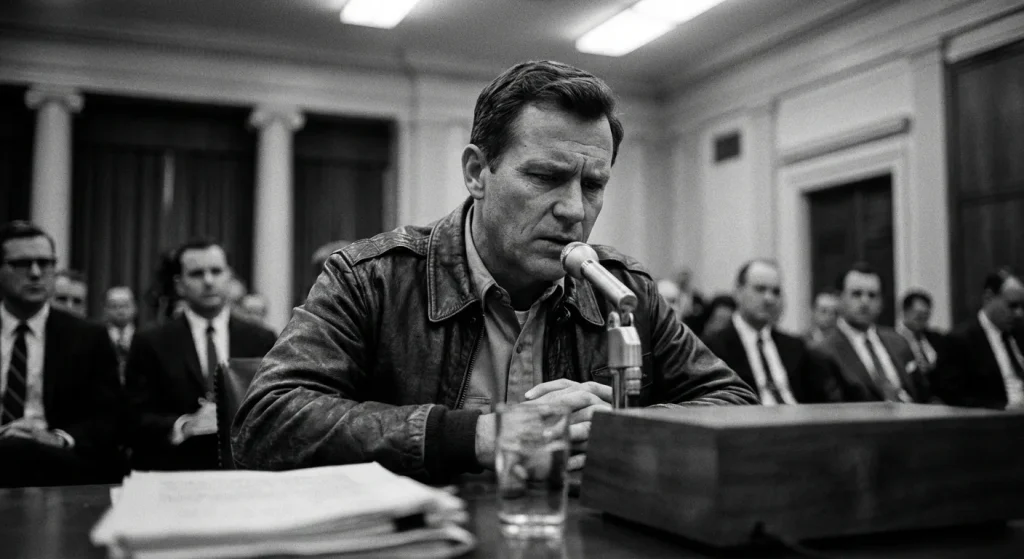
Key Points from Ryan Graves’ 2023 Testimony
On July 26, 2023, Ryan Graves testified as a former U.S. Navy fighter pilot before the U.S. House Oversight and Accountability Committee’s Subcommittee on National Security, the Border, and Foreign Affairs during a hearing on Unidentified Anomalous Phenomena (UAP). He appeared to describe recurring UAP encounters reported by military aviators and to urge Congress and the Department of Defense to improve safety-focused reporting, data collection, and oversight.
For the official record and video, see the House Oversight hearing page: U.S. House. For related coverage on UAP reporting and policy, see: UAP reporting.
Why Military UAP Reporting Matters
Graves’ central point was that whatever UAP ultimately are, unidentified objects in military training ranges can create real aviation-safety and national-security risks if crews hesitate to report them or if reports are fragmented across units and systems. He argued that treating UAP reports as a routine safety and intelligence matter—rather than a taboo topic—helps pilots and commanders identify patterns, deconflict airspace, and reduce the chance of midair incidents or miscalculation.
-
Who is Ryan Graves and what did he do in the 2023 UAP hearing?
Ryan Graves is a former U.S. Navy fighter pilot who testified on July 26, 2023 to the House Oversight and Accountability Committee’s Subcommittee on National Security, the Border, and Foreign Affairs about military aviators’ UAP encounters and the need for a safer, more consistent way to report and analyze them. He emphasized that pilots had reported repeated unidentified objects operating in or near training areas and that the issue should be handled as a flight-safety and national-security concern.
-
What does UAP stand for in the context of Ryan Graves’ 2023 testimony?
UAP stands for “unidentified anomalous phenomena,” a U.S. government term used to cover aerial, space, or transmedium objects that cannot be immediately identified. In Graves’ testimony, the focus was on encounters reported by military personnel and how those incidents are documented, investigated, and shared inside the government.
-
What was the main message of Ryan Graves’ congressional testimony about UAP encounters?
His main message was that UAP reports from service members should be treated as a normal, stigma-free safety and intelligence reporting matter. He urged better processes so aviators can report encounters without fear of career repercussions, and so the government can collect comparable data, look for trends, and mitigate risks in military operating areas.
-
What changes to military UAP reporting did Ryan Graves call for in 2023?
He advocated practical reforms aimed at making reports easier to file and easier to use, including standardized reporting channels, consistent handling through the chain of command, and better data collection so incidents can be compared across units and time. He also emphasized reducing stigma for pilots and creating conditions where reporting is encouraged rather than discouraged, so potential hazards in training ranges are surfaced quickly and assessed with appropriate seriousness.
-
How is Ryan Graves’ 2023 UAP hearing testimony connected to UFO/UAP disclosure and government transparency?
His testimony connected to transparency in a narrow, operational way: he argued that pilots and other personnel should be able to report UAP encounters and have those reports tracked and assessed through accountable processes, rather than being ignored or informally handled. A concrete takeaway from his appearance is that he framed the problem as one of oversight and safety—unidentified objects in military airspace pose potential risks regardless of whether their origin is mundane, adversarial, or unknown—and he urged clearer government procedures for documenting and reviewing them.
-
What should you look for in future UAP news after Ryan Graves’ 2023 testimony?
Watch for measurable changes in how the Department of Defense collects and processes UAP reports: clearer standardized submission paths for aircrew, more consistent guidance on how commanders route and preserve reports, and improved data practices that make incidents easier to analyze (time, location, sensor type, and corroborating records). Also watch for steps that address the human factor he highlighted—whether policies and leadership signals reduce stigma and encourage timely reporting—because that directly affects whether safety-relevant encounters are captured or remain unreported.
The official hearing record
Ryan Graves appeared before the House Committee on Oversight and Accountability’s national security subcommittee on July 26, 2023. The committee listed him as executive director of Americans for Safe Aerospace and published his written statement alongside the hearing video and the statements of David Grusch and David Fravor.
That placement matters when weighing the evidence. Graves’s testimony is a primary source for what he told Congress about aviator reporting, safety concerns, stigma, and the need for a dependable reporting system. It is not independent confirmation of every incident relayed to him by other pilots. Direct observations, second-hand accounts, and policy recommendations should remain distinct in any summary.
The hearing itself focused on national security, public safety, and government transparency. Its enduring significance is partly institutional: UAP claims and aviation-safety concerns were entered into a public congressional record, with named witnesses and downloadable statements that can be compared against later coverage.
Primary hearing record
The committee page establishes the hearing context and video. Graves’s submitted statement is the primary source for his prepared claims and recommendations.
- House Oversight hearing page, video, witnesses, and submitted statements
- Ryan Graves: written testimony submitted July 26, 2023
Evidence note: Congressional testimony documents a witness’s statements under a formal process. The underlying claims still require corroboration appropriate to each claim.